Sometimes the greatest beauty comes from the way we complement one another.
Have you ever looked at a beautiful bouquet and wondered what makes it all come together?
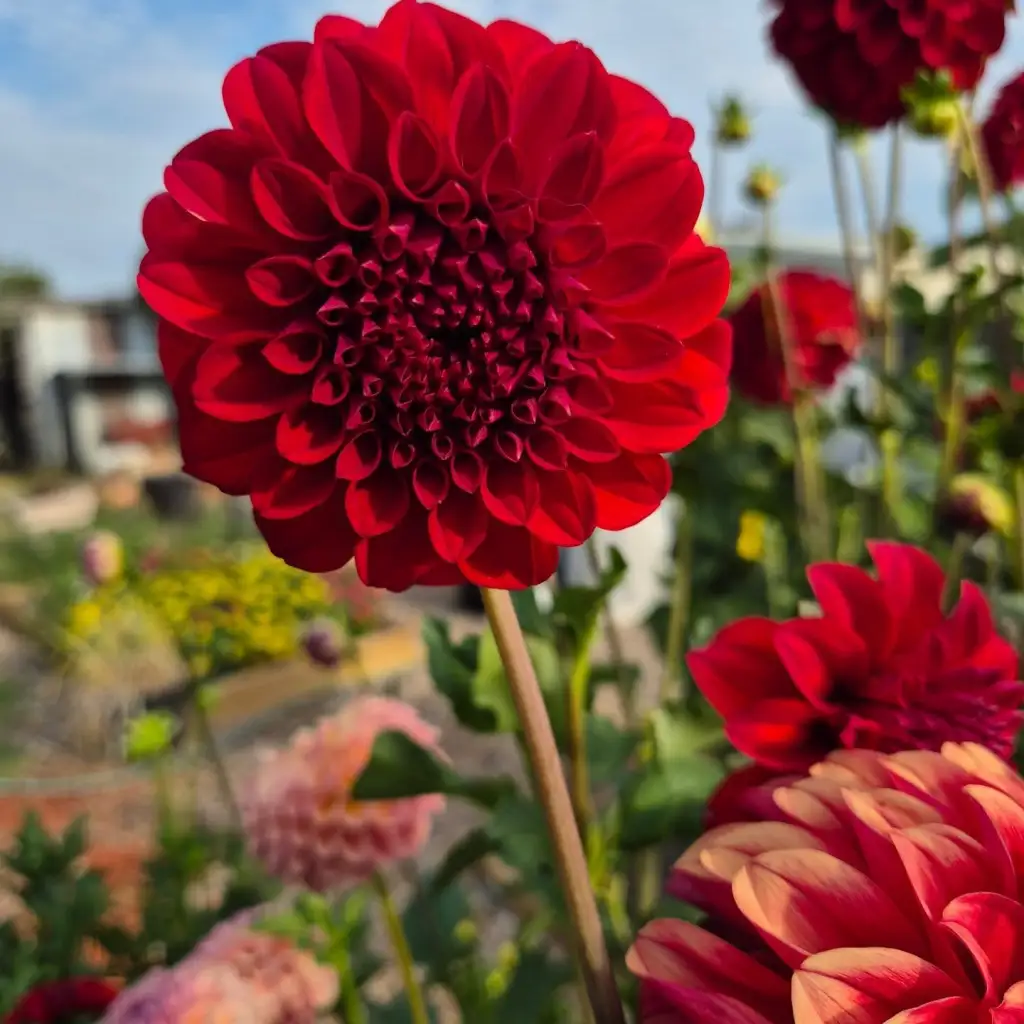
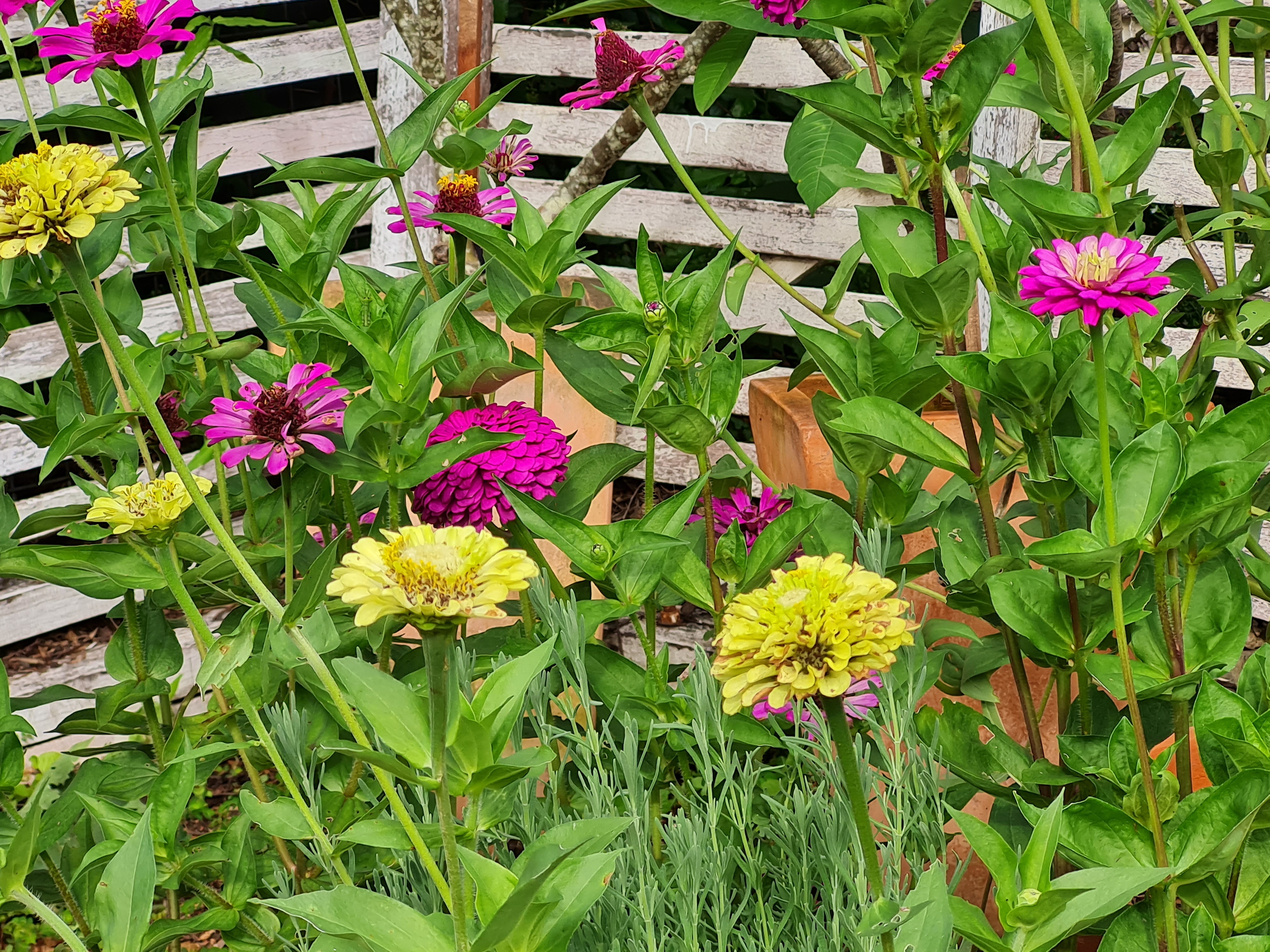
Usually, it’s the biggest, brightest flowers that catch our attention first. A magnificent Dahlia, a colorful Zinnia or a cheerful Sunflower.
They’re the showstoppers, the flowers we call our focal flowers.
But look a little closer, and you’ll discover there’s much more to a beautiful arrangement than the flowers that first catch our eye.
Every Flower Has Its Place
When creating a bouquet, we bring together different flowers and foliage, each with its own role to play.
There are the focal flowers that draw our attention, the supporting blooms that add color and balance, and those delicate, airy flowers that bring softness, texture and movement.
Then there’s the foliage, often quietly working in the background, providing structure and helping bring everything together.
Individually, each has its own beauty. But when thoughtfully combined, they create something quite different.
And isn’t that rather lovely?
A Little Lesson From Nature
I think there’s something we can take from this beyond the flowers themselves.
Just as every flower doesn’t need to be the star of a bouquet, neither do we.
Some people naturally shine in the spotlight, while others bring quiet strength, kindness, encouragement or support.
And throughout our lives, we often find ourselves playing different roles.
Sometimes we’re the ones leading the way, and other times we’re helping someone else shine.
Neither role is more important than the other.
Here at Earth Rhythms Botanical Farm, one of the things I love about working with flowers is discovering how different colors, shapes and textures complement one another.
And perhaps that’s something worth remembering in our own lives too.
We don’t all need to stand out to make a beautiful contribution.
A Little Reflection
Do you recognize the value of your own contributions, even when they go unnoticed?
Who in your life quietly brings strength, kindness or encouragement?
Can you appreciate the different roles you play, knowing that each has its own importance?
Sometimes it’s not about standing out, but about the beauty we create together.
Because beauty is something to be enjoyed, celebrated and shared.
Being born on the cusp of Libra, with other planetary placements there too, I’ve always had a strong appreciation for beauty and aesthetics.
Whether it’s the colours and textures of nature, a beautifully arranged space, or simply something lovely that catches my eye, I’ve always enjoyed creating and surrounding myself with beauty.
For me, it’s not about anything grand or extravagant. Often, it’s the simplest things that bring the greatest pleasure — a beautiful colour combination, a thoughtfully arranged corner of the home, or the changing colours of the garden.
And perhaps that’s why flowers have always held such a special place in my heart.
The Simple Joy of Flowers
Have you ever noticed how a bunch of flowers can change the feeling of a room?
They bring colour, life and a little of the outdoors into our everyday surroundings.
Sometimes they’re given to celebrate, say thank you or let someone know we’re thinking of them. Other times, they’re simply something beautiful we’ve chosen for ourselves.
And why not?
I don’t believe we need a special occasion to enjoy flowers. A few stems in a favourite vase can be just as lovely as an elaborate arrangement.
It’s the pleasure they bring that matters.
Growing Beauty, Sharing Joy
Here at Earth Rhythms Botanical Farm, there’s something incredibly satisfying about watching a tiny seed develop into a beautiful flower.
Of course, anyone following our journey will know that growing flowers isn’t always as simple as putting a seed in the ground and waiting for it to bloom!
But when a new flower opens or a beautiful combination of colours catches my eye, all that effort feels worthwhile.
Gardening has brought me peace, joy and a deeper connection with nature. Now, through Earth Rhythms, I love the thought of sharing a little of that beauty with others.
Whether our flowers become a thoughtful gift, brighten someone’s home, take pride of place at a celebration or are simply enjoyed for their own sake, I hope they bring a little happiness wherever they go.
With our first Christmas Arrangements now available to order, and us about to kick off with our Roadside Stall we’re taking those first steps towards sharing our flowers beyond the farm.
But flowers are only the beginning.
As the seasons unfold, we look forward to sharing beautiful blooms, herbs and botanicals, each with their own colours, textures and character.
Because at the end of the day, it’s not just about growing flowers.
It’s about growing beauty and sharing the joy.
A Little Reflection
What simple things bring beauty and joy into your everyday life?
Do you make time to enjoy those little pleasures, or save them for special occasions?
How might you share a little beauty with someone else?
Sometimes the simplest way to brighten someone’s world is to share a little of what brings joy to our own.
An unexpected introduction, a growing collection and the excitement of discovering something new.
I have a little confession to make. I’ve become somewhat addicted to Dahlias!
And rather beautifully, I have a friend to thank for it.
A few years ago, I introduced a friend to the joys of gardening. Little did I know that, a few years later, the tables would turn and they would introduce me to the wonderful world of Dahlias.
And what a discovery that turned out to be!
Just One More Variety…
If there’s one thing I’ve learnt about Dahlias, it’s that you really can’t stop at just one!
With their extraordinary range of colours, shapes and sizes, from delicate pompons and perfectly formed balls to spectacular dinner-plate blooms, there’s always another variety that catches your eye.
My collection doubled between my first and second growing seasons. And this year, as we bring the gardens at Earth Rhythms Botanical Farm to life, we’re planning to grow around five times the number I had last season.
We now have over 100 different varieties in our collection!
And would you believe I’m still waiting for a few more to arrive? Some growers wait until their tubers show visible eyes or shoots before sending them out.
Of course, that hasn’t stopped me from ordering a couple more in recent weeks! Between tempting sale prices and newly available varieties, sometimes it’s simply too hard to resist. In fact just yesterday I received my final order.
I suspect fellow Dahlia lovers will understand!
The Magic of a Sleeping Tuber
One of the things I find fascinating about Dahlias is how something so ordinary-looking (some remind me of potatoes!) can hold the promise of such extraordinary beauty.
After resting through winter, those tubers begin to wake, sending out their first little shoots as the warmth returns.
Here in the highlands, late frosts and strong winds bring their own challenges, so there’s plenty of preparation, patience and a little finger-crossing involved.
But imagining all those varieties flowering together makes the work worthwhile.
Every Seed Holds a Surprise
As if collecting named varieties wasn’t exciting enough, this season we’re also growing some Dahlias from seed.
And here’s something you might not know.
When you grow a Dahlia from a tuber, it grows true to the original variety. But when you grow one from seed, the result can be something completely different.
Each seed carries a new combination of genetic characteristics, meaning the flowers may have different colours, shapes and sizes from their parents.
We’ve dedicated part of our gardens to these little mysteries, affectionately known amongst growers as Unicorn Dahlias.
There’s something exciting about not knowing what will appear until that first flower opens. And if we discover something particularly beautiful, we can save its tubers and grow that same flower again.
A Summer Full of Dahlias
This will be our biggest Dahlia-growing adventure yet, and I can’t wait to see how the different varieties perform here on the farm.
Some will find their way into our everyday bouquets, others into special arrangements, and a few I’m simply looking forward to seeing flower for the first time.
There will no doubt be favourites, surprises and plenty of lessons along the way.
And to think it all began with a friend sharing their love of a flower.
Gardens have a wonderful way of bringing people together and reminding us that there’s always something more to discover.
And as for whether my Dahlia collection is finally complete?
Well, I wouldn’t count on it!
Follow Our Dahlia Journey
We’ll be sharing photographs and updates as our Dahlias begin to grow and flower throughout the season.
Fresh seasonal flower sales begin at our roadside farm-gate stall from December 2026, with availability guided by what’s blooming in the gardens.
Sometimes the most wonderful things grow from the smallest beginnings.
For me, it all began with growing two varieties of Zinnias — Green Envy and Violet Queen.
I was captivated by their beautiful colours, cheerful blooms and the simple joy of watching something so lovely grow from a tiny seed.
There was something about Zinnias that captured my heart. Their incredible diversity, their willingness to flower throughout the warmer months and even in poor soil, and the way they seem to reward you with more blooms the more you pick.
Of course, two varieties with each season soon became a few more, and then a few more again!
What began as a simple love of growing flowers has continued to blossom, bringing us to where we are today — preparing for our very first flower season at Earth Rhythms Botanical Farm.
A Garden Full of Possibilities
Over the past few months, we’ve been busy preparing garden beds, sowing seeds, nurturing seedlings and imagining the beautiful tapestry of colour that will soon unfold.
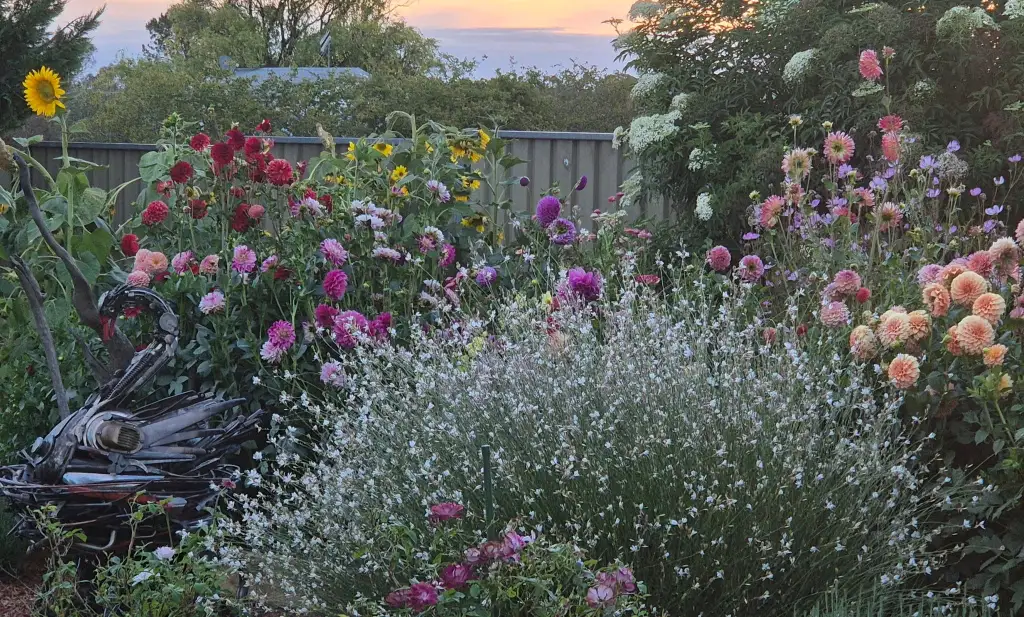
Alongside our beloved Zinnias, we’re growing Dahlias, Cosmos, Sunflowers, Snapdragons, Celosia, Amaranth, Gomphrena, Yarrow, Strawflowers, Paper Daisies and a wonderful assortment of other seasonal flowers and foliage.
Some have been chosen for their colours, others for their interesting shapes and textures, and many for the way they complement one another in a bouquet.
And then there are the Dahlias!
They’ve become something of a new love affair for me, but I think I’ll save that story for another day. Let’s just say I’ve discovered that when it comes to Dahlias, you really can’t stop at one!
Letting Nature Lead the Way
Here in the highlands, growing flowers means working with frosty winters, strong winds and the occasional unpredictable turn in the weather.
We’re learning what thrives in our conditions and how to create a succession of beautiful blooms throughout the growing season.
Rather than expecting every flower to be available all the time, we want to celebrate what’s naturally flowering, allowing our bouquets to reflect the changing colours and rhythms of the seasons.
After all, that’s what Earth Rhythms is all about — Letting Nature Lead the Way.
Fresh Flowers Are Coming — December 2026
We’re excited to share that from December 2026, we’ll begin offering fresh seasonal flowers, herbs and botanicals through our roadside farm-gate stall.
We’ll be creating everyday bouquets in a variety of sizes and colour combinations, with special orders also welcome, subject to seasonal availability.
And with Christmas approaching, we’re looking forward to offering some beautiful festive floral arrangements too.
This is just the beginning of what we hope to share here at Earth Rhythms, with more flower experiences, workshops and opportunities to reconnect with nature planned as the farm continues to grow.
For now, though, we’re beginning with the flowers.
There’s still plenty to do, seedlings to plant, Dahlia tubers waking and gardens taking shape. But the anticipation of seeing it all come into bloom is something quite special.
And to think, this particular journey began with just two varieties of Zinnias.
Sometimes we plant a seed without ever knowing just how much it might grow.
We’ll be sharing updates from the gardens as our first growing season unfolds, including what’s flowering and when our first bouquets will be available.
Little discoveries around Earth Rhythms Botanical Farm
There is something rather wonderful about coming across something unexpected in a garden.
It might be a flower growing where you never planted it, a bird visiting for the first time, or something that simply makes you stop, look a little closer and smile.
As we’ve been developing Earth Rhythms Botanical Farm, I’ve wanted to create spaces that invite those little moments of discovery. Not everything needs to have a practical purpose. Sometimes something can be there simply because it brings beauty, character or a little joy.
And one of the ways we’re doing that is through art.
Giving Old Things New Life
Over recent months, we’ve been collecting some wonderful sculptures created from recycled metal by artist Kane Minogue (Studio 303).
What I particularly love about these pieces is how everyday objects, old tools and discarded metal have been transformed into something entirely different. And how nothing he creates is planned it just forms as he goes.
Things that might otherwise have been forgotten are given another life, this time as creatures that feel right at home amongst the gardens and landscape.
We already had our Magpie, Swan and Dragon, and now our final two commissioned pieces have arrived — a magnificent Black Cockatoo and an Echidna.
Each has its own personality, some have included some of the crystals we sell and we’ve been giving quite a bit of thought to where they will eventually live.
A Little Something Around the Corner
Our Echidna is destined for a little curved area near the raised garden beds, where we’re planning a bench seat in front of the hedgerow.
I rather like the thought of someone sitting there, enjoying the flowers, and discovering an Echidna nearby.
The Black Cockatoo will have a very different setting.
He sits upon his own tree-and-branch-style plinth and will be positioned just off the left-hand garden path, at the beginning of the gum grove.
Eventually, his sculptural tree might even accommodate a bird water bowl, feeder or perhaps another little metal bird.
Our Magpie will be near the Observation Deck, while the Swan belongs down near the dam. The Dragon has its own place amongst the character of the farm, near our front door as he watches who enters from the driveway.
Rather than grouping them all together, we want people to encounter these creatures as they wander.
A little surprise beside a path. Something tucked near a seat. A familiar Australian bird appearing amongst the gums.
A Little Bit of Magic
There’s another space we’re planning that will bring a different kind of wonder.
Between the shipping container aka my potting shed and the Farm Shop, we’re hoping to create a small enchanted garden, complete with a fairy fountain, mushrooms, little doors and other treasures waiting to be discovered.
It won’t be a grand space. In fact, part of its charm will be its smallness.
I love the idea of someone noticing a tiny fairy door or an unexpected detail that they might have walked straight past if they were in a hurry.
And perhaps that’s what connects all these little projects.
It’s not about filling every corner of the farm with something.
It’s about giving people reasons to slow down, explore and notice.
Nature, Art and Imagination
Of course, the real wildlife has its own ideas about where it wants to appear.
We’ve already have Echidnas visiting the property, and the birds are constantly reminding us that the gardens are shared with far more than just the people who tend them.
Our sculptures are a playful celebration of that connection.
They also remind me that creativity doesn’t have to be separate from nature. It can sit alongside it, draw inspiration from it and encourage us to see familiar things differently.
There is still plenty of work ahead before all these spaces come together. Gardens to plant, paths to finish, seats to position and little details to add.
But with our Black Cockatoo and Echidna now here, another piece of the picture is falling into place.
And I hope that, as people eventually wander through Earth Rhythms, they’ll find their own little moments of wonder.
Because sometimes the loveliest discoveries are the ones we weren’t looking for.
A Little Reflection
When was the last time something unexpected made you stop and smile?
Perhaps today is a good day to wander a little more slowly and see what you might discover.
One of the things we’re discovering as we begin creating the gardens at Earth Rhythms is that we don’t necessarily have to buy every plant we need.
Sometimes we just have to look at what’s already growing here.
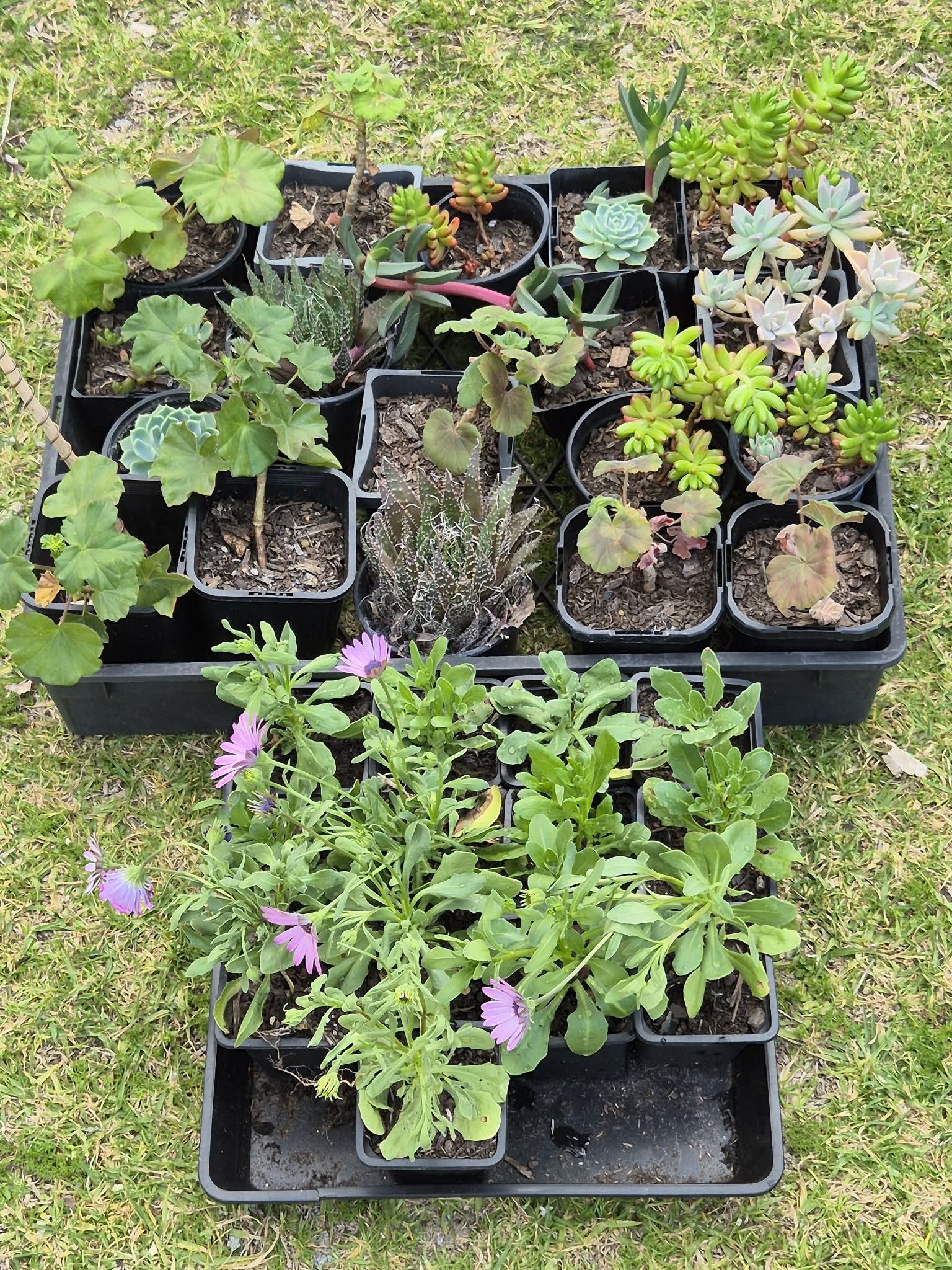
There are established plants throughout the gardens that are producing new plants of their own, others we can take cuttings or divisions from, and plenty of little volunteers appearing in places where they can’t necessarily remain.
So rather than simply pulling them out and throwing them away, we’ve been potting them up.
Recently that’s included new calendula plants, African daisies and irises that have been popping up around the gardens.
Today we also lifted a young Japanese Black Pine that had appeared in a bad position close to the house, along with some of the yellow pigface growing around the property.
There are succulents throughout the gardens too, as well as geraniums, so I had been taking cuttings from those and potting them up just after we got here as the ideal time for taking Geranium cuttings is Autumn.
Some of these plants will eventually find their way into other areas of Earth Rhythms. Others, once established and growing well, they may find their way to friends gardens and be swapped for other plants while the bigger hope is that these will eventually become plants we can offer for sale.
It’s something we’re trying to do wherever it makes sense.
Some plants will be grown from seed. Others will come from cuttings, divisions or the new plants that simply pop up around established ones. We’re also propagating from some of the plants we brought to Earth Rhythms with us.
Even my dahlias are becoming part of this.
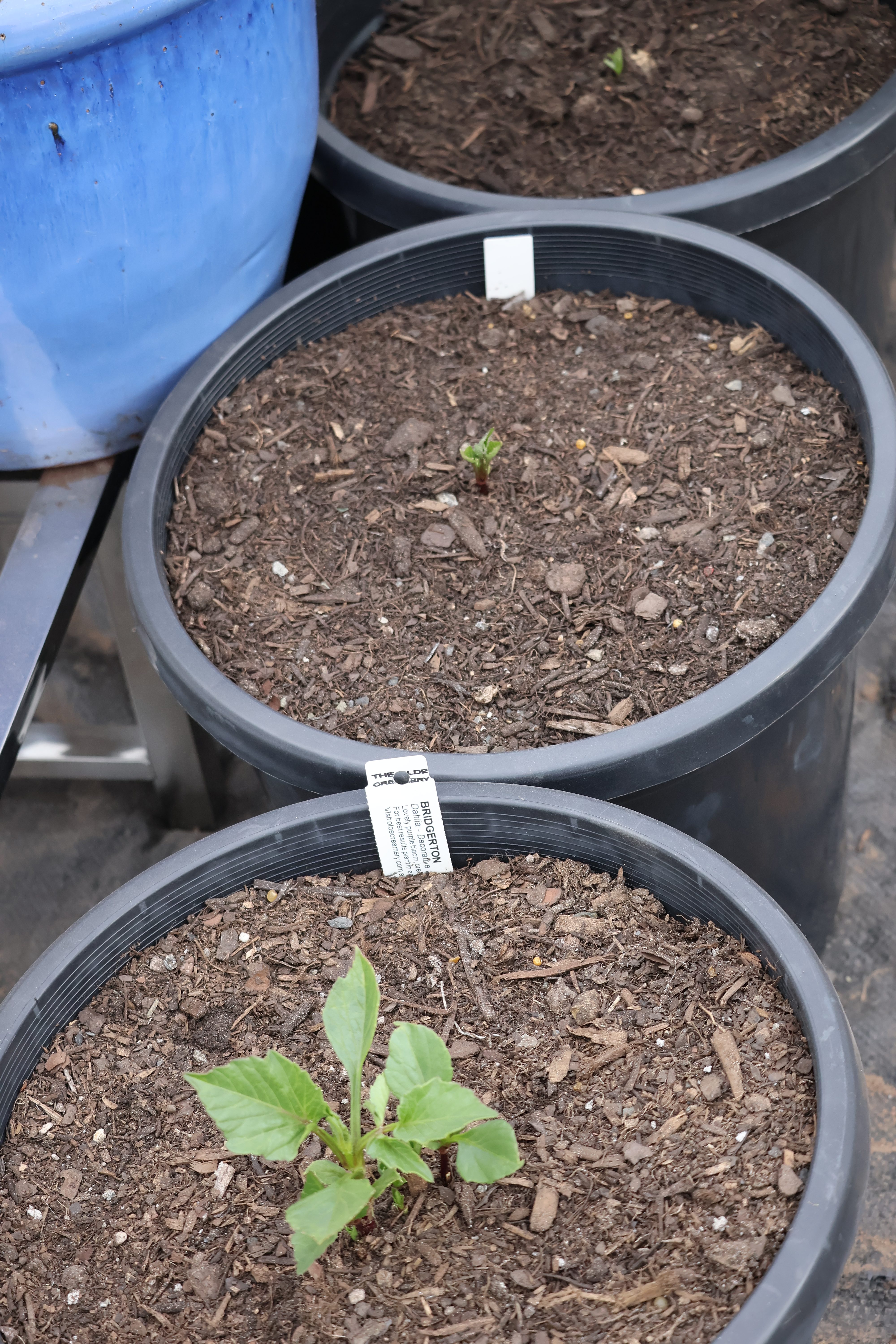
I’ve been checking the tubers I stored over winter and have selected some of the named varieties I’ve grown for several years and now have numerous tubers of. Rather than waiting another six to eight weeks to plant all of them into the ground, we’ve been trialling a few in pots inside the hoop house.
They’ll have some protection and warmth while we still have the possibility of frost, and if they begin producing good strong shoots, I’ll be able to take some of those shoots as cuttings and hopefully create additional plants. I already have some I had in pots that we brought from our previous garden starting to shoot in the hoop house.
At the same time, we also have our dahlia seedlings — some grown from seed I collected over the past season or two and others from selected seed I’ve bought.
It’s early days, and not everything we try will necessarily work.
But every plant we successfully raise ourselves is one less plant we need to buy. More importantly, we’re gradually learning which plants grow well here and building our gardens and future plant stock around what we’re actually seeing on the property.
Perhaps that’s the part I enjoy most.
Before we buy more, we’re learning to look at what is already growing, thriving and multiplying around us.
Sometimes the beginnings of the next garden — or even the next plant we’ll eventually sell — are already sitting right under our feet.
Or, in my case, you juice them and add them to the soda water you love to drink.
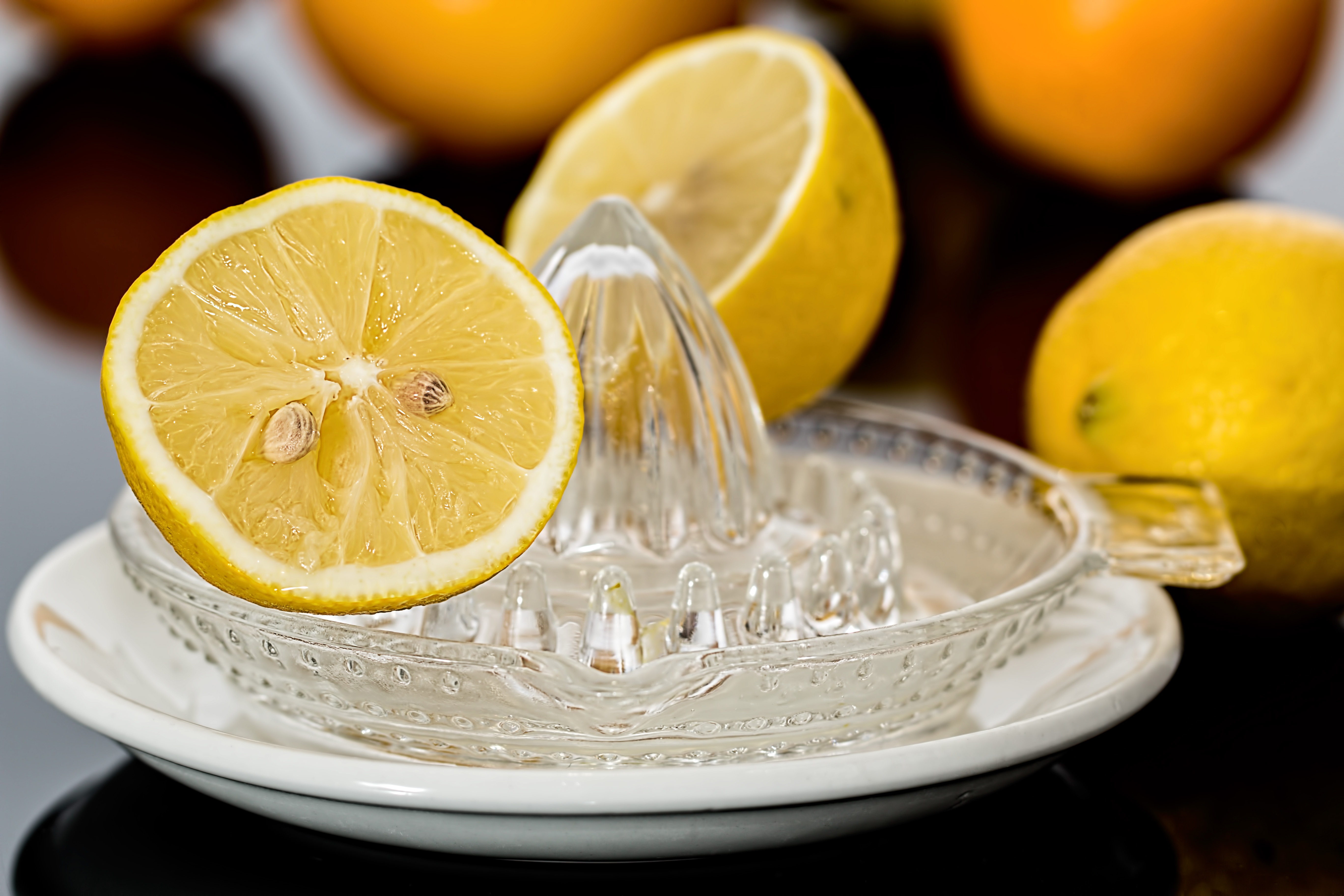
Just below the hallway window where I often pause at are two established citrus trees — one lemon and one orange — and since moving to Earth Rhythms they have given us an extraordinary amount of fruit.
We’ve lost count, but I would guess we’ve picked at least five of our big 25kg mayonnaise buckets full between the two trees since moving here in April.
That’s a lot of citrus.
We’ve given plenty away, but we’ve also been finding different ways to use as much of it as we can.
One of the simplest has become one of my favourites. We juice the fruit, pour the juice into ice cube trays and freeze it. Then we can simply drop a cube or two into our soda water whenever we want one.
The oranges have also found their way into Rod’s cooking. When he cooks corned beef, orange is one of the flavoursome aromatic ingredients he adds to the cooking water, and both the lemons and oranges regularly find their way into other dishes coming out of our kitchen. A recently new favorite of mine is Greek Chicken with Lemon and Feta – the recipe popped up on my Facebook feed so we gave it a try.
One of the surprises for us has been just how well the citrus grows here.
At our previous home, only around 50 kilometres down the road, citrus was something we simply couldn’t grow successfully because of the frosts. Yet here we arrived to find an established lemon and orange tree not only surviving but producing more fruit than we knew what to do with.
Seeing how productive they’ve been has encouraged us to want to plant more.
Since moving here we’ve added another lemon and orange tree, along with a lime, raspberry and mulberry and I have just this week purchased blue berries, cranberry and Chilean guavas to add to our fruit trees.
It will obviously be a while before our new trees are producing anything like their established neighbours, but eventually we’re hoping they’ll provide fruit not only for our own kitchen, but some seasonal produce we can offer for sale as well.
I’ve even saved some seeds from the existing lemon to see if I can grow a few more trees from seed.
There’s no guarantee that a lemon grown from seed will eventually produce fruit exactly like the parent tree, and that’s really part of the experiment. I’m curious to see what grows.
And apparently our existing lemon tree is nowhere near finished.
Despite the amount of fruit we’ve already picked, it’s still covered in flowers and buds — a pretty clear indication that there’s plenty more fruit to come.
We didn’t plant these original trees. Someone before us did that.
Now we’re the ones filling buckets, sharing their fruit, cooking with it, freezing the juice, saving some seeds and planting the next generation of fruit trees.
We arrived here on the property with planting calendars.
The land, it seems, has its own.
Something rather strange is happening at Earth Rhythms this year. Spring has technically only just begun, but looking around the garden, it feels as though nature has been working from an entirely different calendar.
The weather has been all over the place. We’ve had cold days , we’ve had winter, but we’ve also had unusually warm spells — including days this month already that have felt much more like summer than spring.
There have been moments when I’ve wondered whether we’re going to jump almost directly from a somewhat mild winter into summer without spring getting much of a look in at all.
And the plants seem just as confused as me.
When we moved here to the farm, we brought a pot of marigolds with us from our previous garden. I expected them to eventually finish flowering as the colder weather arrived.
They didn’t.
They managed to simply keep going.
Then there were the quince trees already growing here. They began flowering in early winter rather than waiting until late winter, giving us another little clue that the usual seasonal rhythm may have shifted.
And then there were my dahlias.
Our Dahlias Didn’t Read the Rule Book
Normally, winter is their time to retreat.
The visible growth disappears, the tubers rest underground and we wait for the warmer weather to wake them again.
Except mine didn’t seem particularly interested in doing that this year.
Throughout the colder months, I kept noticing shoots appearing from the dahlias we brought with us still in pots and also from those growing in the gardens here that had been planted by the previous owner.
They weren’t exactly racing away, but they weren’t completely dormant either.
Now the weather is beginning to warm, those little signs of life are becoming much more obvious.
The dahlias are waking up.
Early.
And rather than trying to make them conform to when I think dahlia season should begin, which in previous years has been November due to our cold climate, we’ve decided to work with what they’re showing us.
So the potted dahlias have now been moved into the Hoop House.
Turning an Early Start Into an Opportunity
Moving them under cover gives them some extra protection while encouraging the growth that has already begun.
But it also gives us an unexpected opportunity.
If we can get some strong early growth from these plants, we’ll be able to begin propagating from them before the main dahlia season really gets underway.
Those early cuttings can become entirely new plants for us.
Which means one dahlia tuber waking up ahead of schedule may eventually give us several plants ready to go into the ground later in spring — or perhaps some plants for us to sell.
For a flower farm that is only just beginning it’s first year, that’s rather exciting.
I’ve also taken some of our stored dahlia tubers (those I dug up from my previous garden and some new ones I have brought for this season) and started putting them into pots so we can get a bit more variety growing early.
Instead of seeing this strange season only as a problem, we’re asking a different question:
What opportunity is the season giving us?
Right now, one of the answers seems to be more dahlias.
I’m certainly not going to argue with that.
The Next Generation Is Already Growing
While the tubers are waking up in the Hoop House, our dahlia season has also begun in another way.
A few weeks ago, I sowed a selection of dahlia seeds, and the seedlings are now growing strongly in the greenhouse.
Almost every type I planted has germinated.
Some were quick to appear, while others have taken their time. In fact, a few have only popped through in the last few days.
There is still a few types that haven’t given us anything at all.
Yet.
I’m holding out hope.
Seeing some of the others emerge later has reminded me that plants don’t necessarily work to our timetable — which seems to be becoming something of a theme around here.
So I’m giving those last seeds a little longer before declaring that nothing is going to happen.
For now, we have tiny dahlia seedlings growing in the greenhouse, established dahlias waking from their winter rest, stored tubers being started in pots and plants in the Hoop House that will hopefully give us material to propagate.
Our first proper dahlia season at Earth Rhythms is beginning to take shape much earlier than I expected and I can’t wait to see all the new varieties we have purchased this year growing for the first time.
But an Early Season Has Another Side
Of course, an early start isn’t necessarily good news for everything in the garden.
While the dahlias seem delighted to get moving, I’m looking at some of our spring bulbs and wondering whether we’ve simply run out of spring.
Moving onto Earth Rhythms between March and May meant that some of my planting happened much later than I would normally have liked.
There was a property to move into, gardens to discover and about a thousand other things competing for our attention at the time.
So some of the spring bulbs went into the ground late.
At the start of September the daffodils and hyacinths had only just emerged and are making their way up, but the ranunculus and freesias, which weren’t planted until winter, still haven’t appeared.
And now we’re already beginning to get temperatures that feel much more like summer than early spring.
It leaves me wondering how much time these plants are actually going to get.
Will we have enough cooler spring weather for them to establish, grow and flower before the temperatures really begin to climb?
Or will this simply be one of those seasons where some things don’t go according to plan?
I don’t know yet.
And I think that’s worth documenting too.
Because creating a garden isn’t only about sharing what worked beautifully.
This first year on the farm is going to be full of experiments, things planted later than intended, weather we couldn’t predict, successes we didn’t expect and probably a few things that simply don’t work.
The dahlias may be taking advantage of an early start.
The spring bulbs may end up paying the price for it.
For now, the daffodils and hyacinths are up, I’m still watching hopefully for those first ranunculus and freesia shoots, and we’re waiting to see what sort of spring nature actually intends to give us.
Learning the Rhythm of This Place
One of the things I’m already discovering about creating Earth Rhythms is that there is a difference between having a plan for the land and actually learning to work with it.
We can look at calendars.
We can make planting plans.
We can decide when something is supposed to flower, sleep, wake up or be planted.
And then nature does what nature does.
The marigolds keep flowering.
The quince blossoms in early winter.
The dahlias start shooting when they’re supposed to be asleep.
Some seeds appear almost immediately while others make us wait.
The spring bulbs race against a season that may be moving faster than expected.
And suddenly the plan changes.
Perhaps that’s part of what this first year here is really about.
We’re learning the rhythm of this particular piece of land.
We’re watching what wakes early, what struggles, what thrives, where the frost settles, how quickly the soil warms and what happens when the weather refuses to behave according to the season written on the calendar.
There will be plenty of time in the years ahead to know Earth Rhythms intimately.
For now, we’re observing.
And adapting.
And perhaps learning that gardening isn’t really about controlling nature at all.
It’s about paying attention to it.
Our first spring here may not look anything like the spring I had planned.
But that’s okay.
The dahlias are waking.
The seedlings are growing.
The bulbs are deciding what they’re going to do.
And we’re learning to listen to the land rather than asking the land to listen to us.
Whatever this strange season brings, it will become part of the story of our first year at Earth Rhythms.
And right now, nature seems to be saying:
Forget the calendar. Pay attention to what’s actually growing.
Not every day in the garden is about planting something new.
Today the yard is due for a good mow. Rod was doing some of those general tidying jobs that seem to be permanently waiting for us the other day too — whipper snipping around the edges of the garden beds, clearing overgrown areas and generally trying to keep things under control.
And as we move into Summer there will be plenty more of this over the coming months.
In recent weeks we’ve noticed all sorts of weeds beginning to appear, along with grass happily popping up in all the places we’d rather it didn’t. As the weather begins to warm and everything starts growing again, unfortunately that includes the things we haven’t planted.
Spring apparently doesn’t discriminate.
While Rod had the tools out, he also tackled the calla lilies.
The winter frosts have finally taken their toll on the foliage, leaving behind beds of rather sad-looking brown leaves and stems, so it was time to cut them back.
Fortunately, what’s happening above ground isn’t necessarily the end of the story below.
The plants will die back and then return from their underground rhizomes when conditions are right again, so for now we’re simply clearing away the old growth and letting them rest.
One of these beds, however, has a slightly different future ahead of it.
The calla lilies growing closest to the middle section of our planned flower garden area and between our garden rows are in an area we’re gradually changing. This is where we’ve started positioning some of our new raised garden beds, so eventually we’ll dig up the calla lilies from this particular bed and relocate them elsewhere on the property.
That’s becoming quite a familiar part of life here.
We’re discovering what grows where, deciding what we’d like to keep, moving things that no longer suit the plans for a particular area and gradually reshaping the gardens around how we intend to use the property. We have removed a few larger trees in the past week to make room for our planned shop and observation deck too.
It’s always good to remember that nothing ever happens all at once, particularly when you have a long to do list or a big project in mind.
Sometimes progress looks like new seedlings emerging in the hoop house or another garden bed being planted.
And sometimes it simply looks like Rod with a whipper snipper and a rather large pile of dead calla lily leaves.
There are some plants that seem to follow us through life, and for me, Rosemary is one of them.
I have grown Rosemary in the garden at almost every place I’ve lived over the years, so I can’t tell you how happy I was to discover quite a number of established plants already growing here when we arrived.
I’ve always loved Rosemary for its fragrance, flavour and the many ways it can be used, but there is another reason I look forward to its flowering each year.
The bees.
In my previous gardens, Rosemary was often one of the first plants along with Lavender where I would notice the bees becoming more active as Winter began giving way to Spring.
And here, it has happened again.
Just a Few Steps from the Back Door
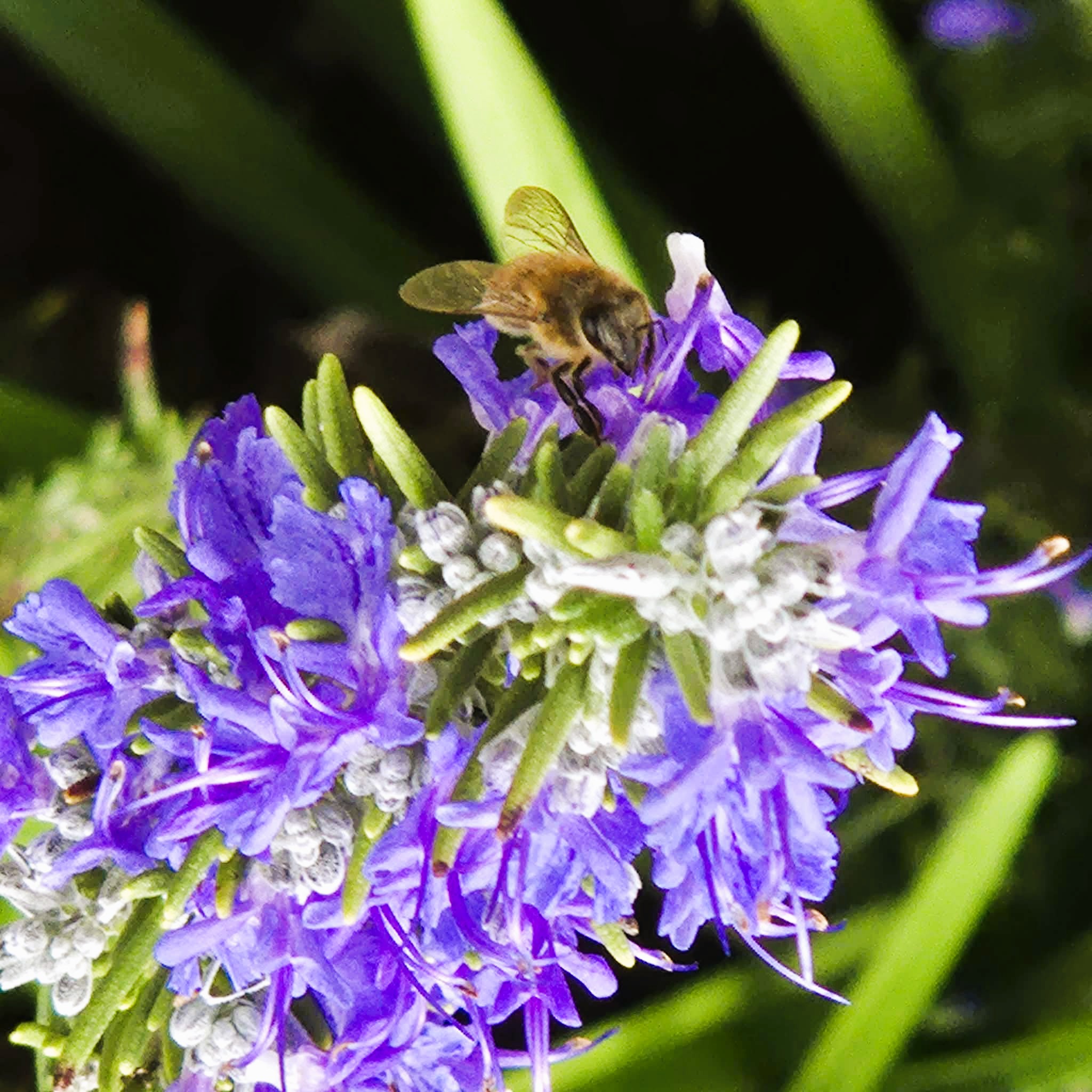
The Rosemary growing here is flowering more magnificently than any I’ve grown before. There appear to be a couple of different varieties, and right now they’re covered in flowers.
Even better, several plants grow right against the house and around the back deck.
For those who know me, you’ll know how much I love photographing bees amongst the flowers — so lately I’ve only had to wander a few steps from the back door with my camera.
The bees have certainly found the Rosemary.
And I’ve been happily snapping away as they work their way along each of the blooming stems.
Who Else Will We Meet?
One of the things I’m curious about as the weather warms is discovering more of the insects that live here.
I haven’t yet spotted any of the native bees I became familiar with at our previous home, particularly the beautiful Blue-banded Bees that were always a favourite of mine.
But this is only our first Spring.
Already the butterflies are beginning to appear — including my first Monarch sighting — and I suspect there are many more bees, butterflies and other little garden visitors still waiting to make themselves known as the days grow warmer.
For now, though, it is the Rosemary that is bringing the bees close.
A familiar plant in an unfamiliar garden, doing something I’ve watched it do many Springs before.
Flowering, feeding the bees and quietly letting me know that the season is changing.